Sint Dimpna Geel · College
DE KOGEKA-SCHOOL die focust op algemene vorming en verder studeren
Sint Dimpna Geel · College
DE KOGEKA-SCHOOL VOOR DOMEINOVERSCHRIJDENDE DOORSTROOM IN GEEL
Home > Sint Dimpna Geel • College > City of Gheel

Discover Geel
Welcome to Geel, a city in the province of Antwerp. Discover its connection with Saint Dymphna, explore its churches and museum, and enjoy walks, cycling routes and local events.

Saint Dymphna & family care
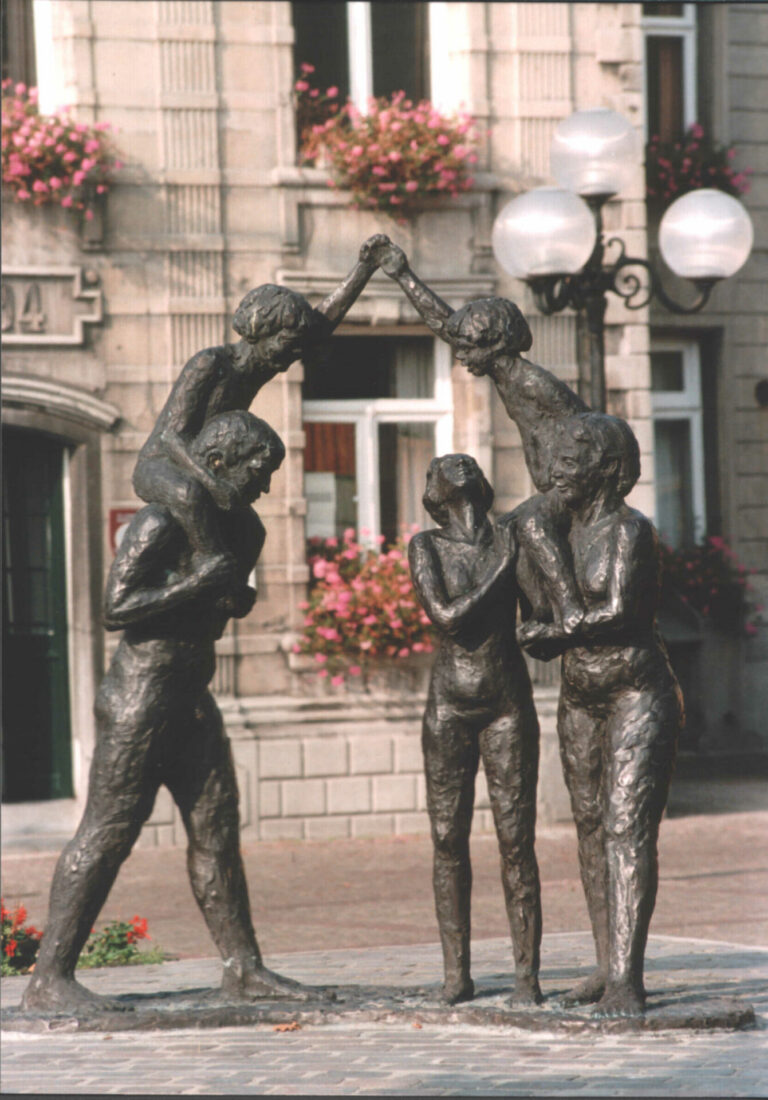
Geel’s history is closely linked to Saint Dymphna. Pilgrims coming to the city helped give rise to a tradition of welcoming people with mental health conditions into local families. This tradition is connected with the work of OPZ Geel.
Heritage & culture
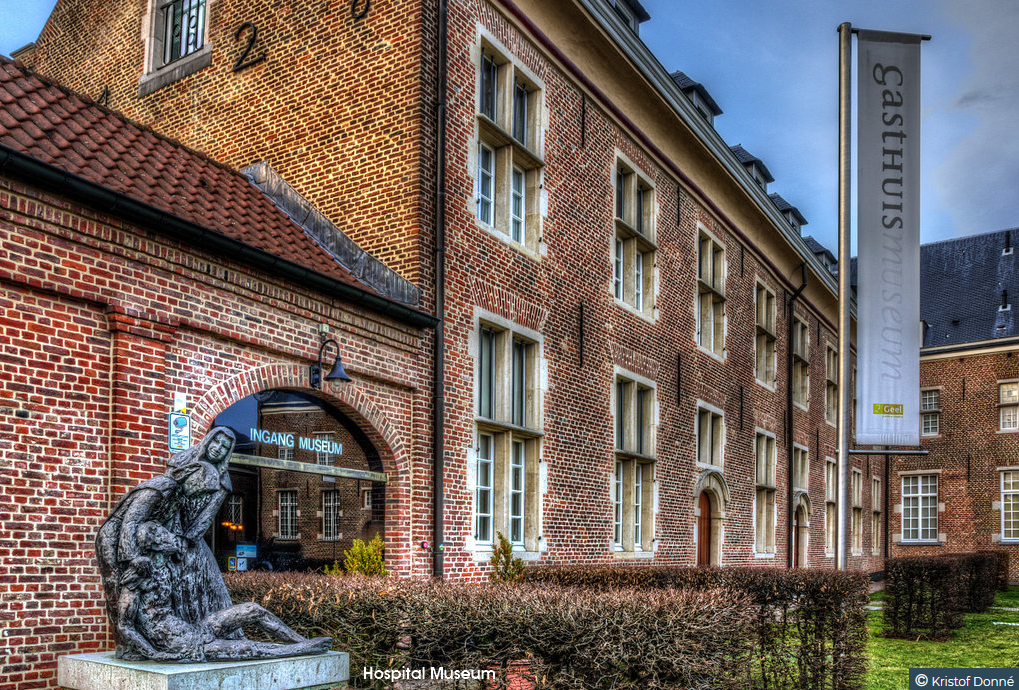
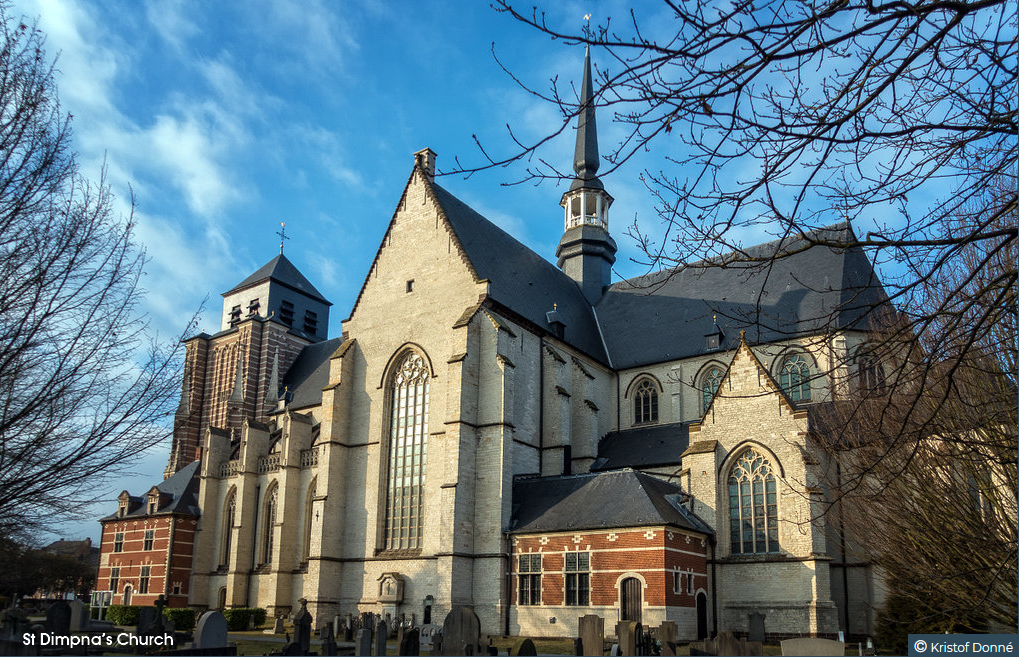
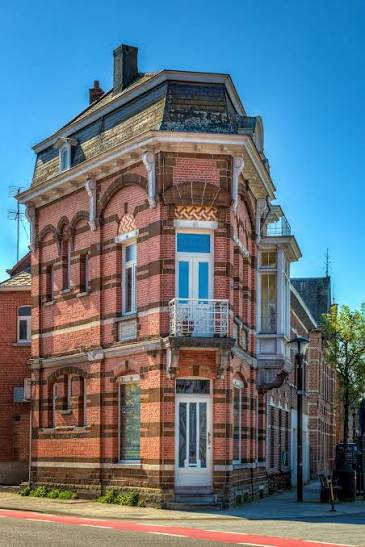
Discover Saint Dymphna’s Church, Saint Amand’s Church and the Gasthuismuseum. Explore the city’s religious heritage, learn about the history of hospital care and look out for Art Nouveau buildings in the centre.
Outdoors & local life
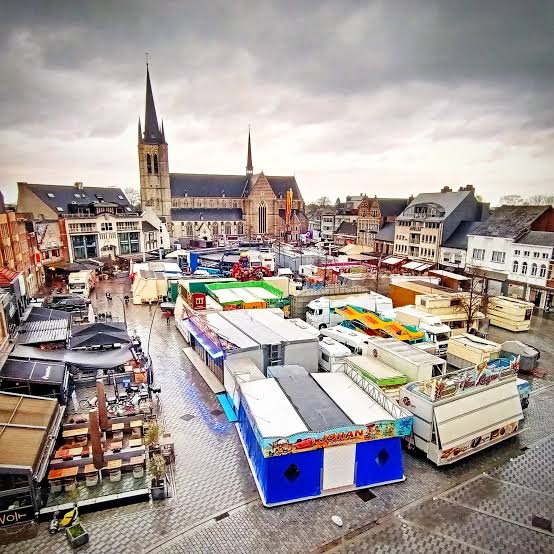
Enjoy a walk or bike ride along the rivers and canals or explore nearby nature reserves. Geel also hosts markets, concerts and festivals, including the Palmenmarkt.
More about Geel
Geel through the centuries
The city of Geel is part of the province of Antwerp and has about 43 000 inhabitants. For the immediate vicinity it is an important centre of service (education, culture, sports, safety services, etc.) On the economical level the city plays an important role for the eastern part of the province of Antwerp (the Antwerp Campine). In Geel and its surroundings there are nationally important institutions (IOK) and companies (BP, Estée Lauder, Daf Trucks, Kaneka, Nike, etc.). Substantial trade routes between the Flemish harbours (Antwerp, Ghent and Bruges) on one side and the Liège and Rhineland harbours on the other side, have crossed the territory of Gheel for centuries.
In historical sources Geel is mentioned for the first time in 1155, although it must be older: archeological investigations have found traces from the Stone age, the Iron Age, the Roman period and the early Middle Ages. In the whole of Flanders Geel has the biggest urnfield from the iron time. For the greater part there are only some marks on the ground. Until the end of the 18th century the centre of Geel formed the central point of a big seigniory (Freedom and the Land of Geel). Throughout history, the Lords of Gheel (Grimbergen, Berthout, Merode, Hoorne, Lotharingen and Rohan) are almost all part of the family in several European kingdoms (Brabant, Burgundy, Habsburg, Bourbon, etc.).
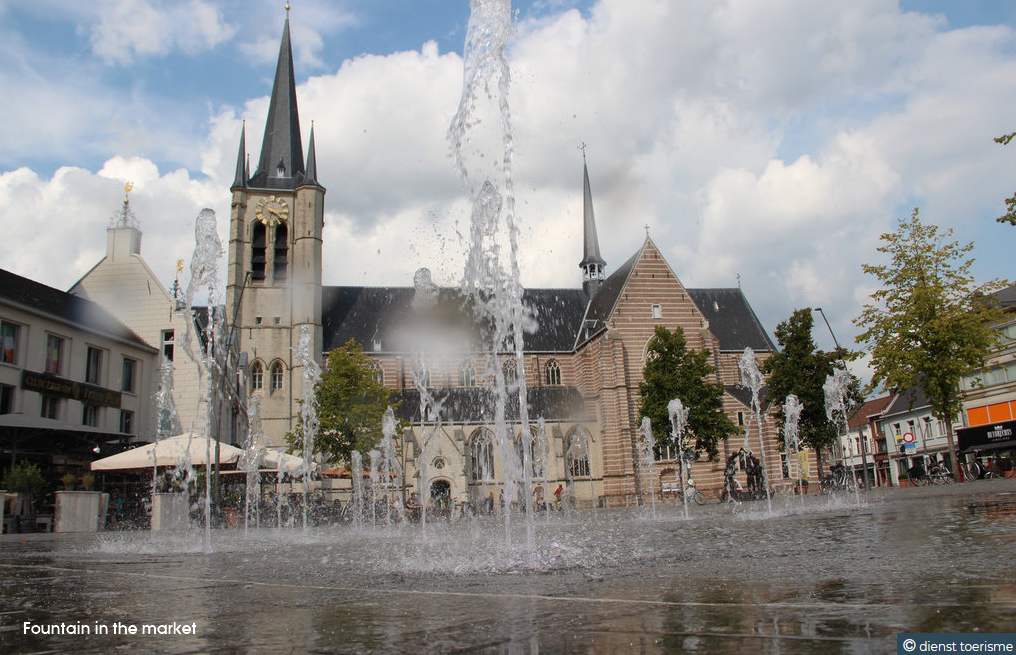
In the city of Geel you will find quite a few places of interest which definitely will be worth your while. The church of St. Amands and the church of St. Dymphna contain numerous art-treasures. The latter, for instance, exhibits some excellent works which are part of our Flemish cultural heritage.
The ‘Gasthuismuseum’, or guest house museum (old Dutch word for hospital), illustrates how a hospital functioned and evolved from the 13th to the 20th century AD. It also shelters objects concerning the cult of St. Dymphna, among which the silver reliquary of the saint herself. In the city centre you will encounter some houses in ‘Art Nouveau’ (Jugendstil) style. On the banks of the rivers (the ‘Netes’) and the canals and in some of the neighbouring nature reserves you can take a walk or go for a nice bike ride.
Geel is widely known for its festivities, like its Christmas fair, its open air concerts, festivals (e.g. reggae Geel) and especially for its ‘Palmenmarkt’ or in English ‘palm fair’. The latter is not only the biggest fair in the ‘Kempen’, but it’s also one of the biggest in the whole of Flanders. Ever since 1975 Geel has been celebrating its patron saint, the holy St. Dymphna, every five years. In the 21st century that custom turned into the Dimpna festivities, held during the month of May. Every four years in August the city also hosts ‘European festivities’, in which cities from various countries participate.
The legend of Saint Dymphna
The city of Geel was completely intertwined with the St Dymphnacult. Legend sayed Dymphna was an Irish princess who, together with confessor Gerebernus, fled to Geel in the year 600. She attempted to escape her pagan father who, encouraged by the devil, wanted to marry his own daughter. Dymphna looked a lot like her mother, his deceased wife. The Irish king pursued her to Geel. To put pressure on Dymphna he had Gerebernus killed. When his daughter again refused to marry him, he beheaded her in temporary insanity. It is believed angels buried both Dymphna and Gerebernus.
During the Middle Ages the legend and relics of the Holy St. Dymphna became subject of a rather substantial cult. Pilgrims from all around travelled to Geel to heal from delusion and epilepsy. A pilgrimage church is erected especially for those people: the church of St. Dymphna. The saint who proved to be resilient to the devil, allegedly provided aid in the exorcism of demons present in the mind.
The origins of family care
Later on, a home care programme arises from the pilgrimages and from worshipping St. Dymphna. A number of pilgrims, usually the mentally ill, resides with families upon payment of a certain fee. Initially, those families live close to the church. As time goes on, a system is developed that allows communities and private individuals to pay the people of Geel to care for an ill person.
In the 19th century the Belgian government establishes a psychiatric centre. Thus, the system becomes unique in the world of psychiatry: mentally ill people are counselled by doctors based at a hospital, but they reside with families, in their respective homes. In its turn the current ‘Public Psychiatric Hospital’ (PPH or OPZ in Dutch) arises from the previously mentioned system. For many people living in Geel the home care system was an important source of income in the past. Nowadays the system is slowly falling into disuse. However, the ‘OPZ’ still remains an important psychiatric centre.